
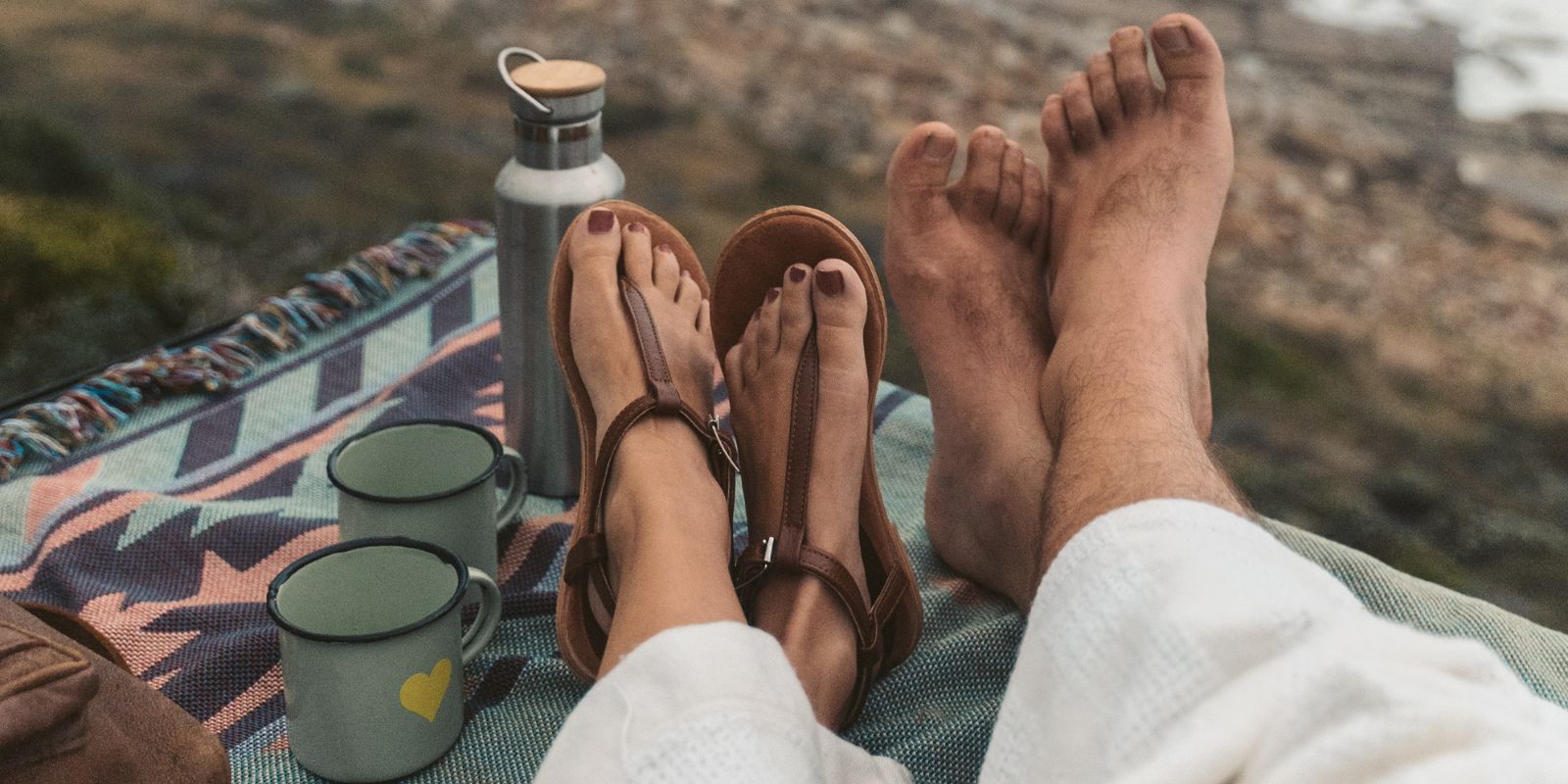

Are those sweaty feet ruining your summer? Many people look forward to warm weather so they can wear their summer outfits to barbecues, pool parties, and beach vacations. But if you have sweaty feet or hyperhidrosis, you’ll have a hard time enjoying the summer heat!
Excessive foot sweat happens when your sweat glands become overactive, producing more perspiration than needed for thermoregulation. This can make wearing sandals and flip-flops uncomfortable and embarrassing.
In this article, I will share how to stop feet sweating in sandals so that even when temperatures rise, you’ll feel confident and worry-free!
*The product links in this post are affiliate links, which means that if you purchase after following one, I make a small commission from the sale at no additional cost to you. Please see our disclosure page for more information.
15 Simple Ways to Stop Feet Sweating in Sandals This Summer
- Use a Foot Deodorant Spray
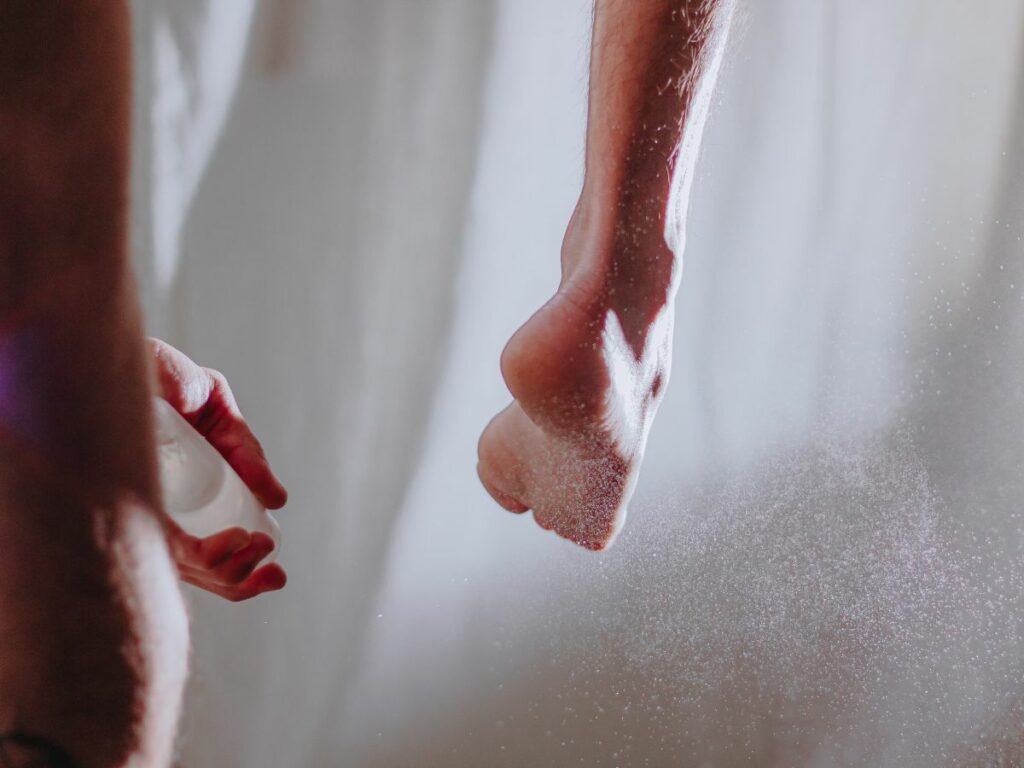
Summertime is perfect for letting your feet breathe in sandals. But as temperature rises, your feet sweat more, leading to foot odor. Before putting on your flip-flops or sandals, spray a small amount of foot deodorant on your soles, between your toes, and just below your ankles.
A foot deodorant helps prevent embarrassing odors and keeps your feet smelling fresh. While there are many shoe deodorant sprays on the market, we recommend Dr. Scholl’s Probiotic Foot Spray, especially if you want to avoid harsh chemicals.
- Use an Antiperspirant for Sweaty Feet
For people with plantar hyperhidrosis (excessive sweating of the feet), a deodorant spray might not be enough. Hyperhidrosis requires medical-grade antiperspirants like Certain Dri. These products contain aluminum compounds that temporarily block sweat glands and reduce perspiration.
For best results, apply the antiperspirant to clean, dry feet at night after bathing. This allows the active ingredients to penetrate your sweat glands while you sleep. Don’t forget to label your roll-on “feet!”
- Choose Breathable Footwear with Good Airflow
The type of sandal or footwear you choose directly impacts foot sweat. Avoid footwear made of rubber, plastic, or synthetic materials during summer heat, as these trap moisture and create a breeding ground for bacteria.
Choose breathable sandals made of genuine leather, canvas, or natural materials that allow airflow around your feet. Strappy sandals with open construction help moisture evaporate quickly. For closed shoes, opt for mesh toppers or textile uppers that promote air circulation.
Ladies should avoid wearing plastic jellies, rubber clogs, and non-breathable mules. Leather strappy sandals and fabric wedges are excellent choices for keeping feet cool and reducing sweaty feet.
- Apply Foot Powder to Absorb Moisture
Apply a generous amount of foot powder to clean, dry feet after showering. A non-caking, all-natural foot powder like Foot Sense Foot and Shoe Odor Eliminator contains aromatics with antibacterial properties to absorb moisture and kill odor-causing bacteria.
Foot powder works by absorbing perspiration before it can pool in your sandals or between your toes, helping prevent that slippery feeling and reducing the risk of fungal infections.
- Dust Cornstarch on Your Feet
A cheaper alternative to store-bought foot powders is cornstarch. This kitchen staple effectively absorbs excess moisture and sweat. However, cornstarch doesn’t have antibacterial properties or cover odors as commercial powders do, so it’s best used as a budget option rather than your only solution.
- Rotate Your Footwear Regularly
We all have our favorite pair of sandals, but shoes need rest days too. By rotating footwear regularly, you give each pair ample time to dry out excess moisture and allow trapped sweat to evaporate completely.
If weather permits, expose your sandals to direct sunlight for a few hours. UV rays help kill bacteria and reduce foot odor. Proper airflow during drying prevents the damp environment that bacteria and fungi thrive in.
- Put Baking Soda in Your Shoes
After taking off your sandals or shoes, dust some baking soda inside to draw out moisture that bacteria feed on. Allow the baking soda to sit for at least 24 hours to neutralize odors completely. This simple trick helps keep your footwear fresh between wears.
- Invest in a Shoe Dryer
Since not all sandals and shoes are suitable for outdoor drying, consider investing in an electric shoe dryer. These devices use gentle heat and airflow to eliminate moisture quickly, helping prevent fungal problems caused by damp footwear. Regular drying also extends the life of your leather sandals and textile shoes.
- Stock Up on Moisture-Wicking Socks
Wearing closed shoes without socks is a recipe for sweaty, smelly feet. Pair breathable shoes with moisture-wicking cotton-blend socks like CELERSPORT Running Socks or Dickies Men’s Dri-tech Work Socks.
Quality socks absorb moisture and keep sweat away from your skin. If you have excessively sweaty feet or hyperhidrosis, change into fresh socks after exercise or when you get home.
- Use Alcohol Wipes to Freshen Feet
When you can’t shower immediately, alcohol wipes are a quick solution. Take off your flip-flops or sandals and wipe down your feet with an antibacterial wipe. Old South Disinfecting Alcohol Wipes contain 75% ethyl alcohol to kill bacteria and help dry perspiration quickly.
- Make a Habit of Washing Your Feet Properly
Bacteria living on your feet produce the chemical compounds responsible for foot odor. Regular washing with antimicrobial soap like ClearZal Foot Cleanser reduces bacterial populations significantly.
Pay special attention to the areas between your toes, under the toe nails, and the sole of your foot where sweat accumulates. Proper hygiene is your first line of defense against excessive sweating complications.

- Soak Feet in Black Tea
Don’t throw away used Twinings English Breakfast Black tea bags. Black tea contains natural astringents that help reduce sweat gland activity and create an environment less hospitable to bacteria.
Steep several tea bags in warm water, then soak your feet for 15 minutes. The tannic acid helps close pores temporarily and decrease moisture production. Rinse and pat dry thoroughly afterward.
- Make an Apple Cider Vinegar Foot Soak
Apple cider vinegar is a natural astringent with highly acidic levels that help eliminate fungi and bacteria. Dilute one cup of vinegar in a bowl of warm water to avoid skin irritation. Soak your feet for 15 minutes, then rinse and dry completely. Repeat this treatment two to three times weekly for best results in controlling foot sweat and odor.
- Stay Hydrated to Regulate Body Temperature
When having fun under the sun, it’s easy to neglect water intake. However, dehydration causes your body to work harder at thermoregulation, potentially increasing perspiration as your system struggles to cool down.
Keep a large water bottle handy and drink at least eight glasses daily. Proper hydration helps regulate your body temperature more efficiently and may reduce excessive sweating episodes.
- Try Iontophoresis Treatment
Iontophoresis is a medical treatment for hyperhidrosis that uses a device to pass a weak electrical current through water and into the skin. This temporarily blocks sweat gland activity, reducing perspiration for several days or weeks.
The treatment requires multiple initial sessions, then maintenance treatments to sustain results. While not permanent, iontophoresis offers significant relief for people with plantar hyperhidrosis who find conservative treatments insufficient.
Medical Treatments for Severe Hyperhidrosis
If home remedies and over-the-counter antiperspirants don’t control your foot sweat adequately, medical treatments may help:
Botulinum Toxin (Botox) Injections
Botox injections aren’t just for wrinkles. When injected into the soles of your feet, botulinum toxin temporarily blocks the nerve signals that trigger sweat glands. This FDA-approved treatment for hyperhidrosis can reduce foot sweat by up to 80-90% for 6-9 months.
The injection procedure involves multiple small injections across the sole and takes about 30 minutes. While you may experience temporary discomfort, most patients find significant relief from excessive sweating that makes the treatment worthwhile.
Prescription Anticholinergic Medications
Oral anticholinergic medications like glycopyrrolate can reduce sweating throughout your body by blocking the chemical messenger that stimulates sweat glands. These medications may help people with severe hyperhidrosis affecting multiple body areas.
However, anticholinergics can cause side effects including dry mouth (xerostomia), anxiety, rapid heartbeat (tachycardia), and digestive issues. Discuss potential benefits and risks with your healthcare provider before starting any medication for excessive sweating.
Common Problems Caused by Sweaty Feet
Bromodosis (Smelly Feet)
The primary problem with sweaty feet is foot odor, known medically as bromodosis. Bacteria naturally residing on our feet proliferate as they feast on oils, dead skin cells, and chemicals in sweat. As bacteria break down perspiration, they produce thioalcohols, the compounds responsible for that distinctive smell.
The combination of heat, moisture, and limited airflow in sandals creates ideal conditions for bacterial growth, especially when wearing rubber or plastic footwear that traps perspiration.
Fungal Infections
Excessive sweating creates a breeding ground for fungi. Without proper hygiene and preventive measures, you risk developing athlete’s foot, fungal toenails, and other foot infections caused by sweaty feet.
Complications from fungal infections include foot pain, open sores, thickened toenails, and chronic inflammation. The warm, moist environment between toes wearing sandals provides perfect conditions for fungal spores to thrive.
Decreased Quality of Life and Anxiety
Sweaty feet and associated foot odor often go hand in hand with social anxiety. Besides interrupting normal daily activities, heavy sweating on the feet can cause emotional distress and social withdrawal.
Many people with hyperhidrosis report avoiding social situations, feeling self-conscious about removing shoes, and experiencing anxiety about others noticing the condition. This psychological impact can be as debilitating as the physical symptoms.
When to See a Doctor
Consider seeing a podiatrist or dermatologist if:
- Home remedies and antiperspirants don’t reduce your foot sweat
- Excessive sweating interferes with daily activities or wearing sandals
- You develop signs of infection (redness, warmth, pain, discharge)
- Foot sweat suddenly increases without explanation
- You experience anxiety or social isolation due to sweaty feet
A healthcare provider can diagnose whether you have plantar hyperhidrosis and explain effective treatment options, including prescription-strength antiperspirants, iontophoresis, botulinum toxin injections, or oral medications.
FAQ
How to prevent sweaty feet in shoes?
The most effective method to prevent excessive sweating when wearing shoes is using a prescription-strength antiperspirant formulated for feet. Combine this with moisture-wicking socks, breathable footwear with good airflow, and regular foot powder application to absorb moisture and keep your feet dry.
Can sweaty feet cause athlete’s foot?
Yes, chronic sweaty feet significantly increase your risk of developing athlete’s foot. The moist environment created by excessive perspiration provides ideal conditions for fungal growth. You can also contract athlete’s foot from infected individuals or contaminated surfaces like gym floors and pool decks.
Does iontophoresis work permanently?
No, iontophoresis doesn’t offer a permanent solution to hyperhidrosis. After completing the initial treatment period (typically 6-10 sessions), you’ll need weekly or bi-weekly maintenance treatments to sustain sweat reduction. Most patients find the maintenance manageable for the significant relief it provides.
Does sweat smell?
Sweat itself is nearly odorless. The smell comes from bacteria on your skin that consume sweat and produce odorous byproducts. This is why antibacterial soaps and proper hygiene help reduce foot odor even when you still sweat.
Does food make your feet sweat?
Yes, certain foods can trigger increased sweating. Spicy dishes, hot beverages, and caffeine cause your body temperature to rise, triggering your sweat glands to produce more perspiration for thermoregulation. Avoiding these foods may help reduce excessive foot sweat.
Are Botox injections safe for sweaty feet?
Yes, botulinum toxin injections are FDA-approved for treating hyperhidrosis and considered safe when administered by qualified healthcare providers. Side effects are typically minimal, with some patients experiencing temporary weakness in foot muscles. The treatment effectively reduces sweat production for 6-9 months.
Final Thoughts on Feet Sweating in Sandals
Now that you know how to stop feet sweating in sandals, you don’t have to let excessive perspiration ruin your summer enjoyment. The key is prioritizing proper foot care through consistent hygiene, choosing breathable footwear with good airflow, using the right products to control sweat glands, and maintaining healthy habits.
For mild to moderate foot sweat, the 15 tips mentioned above are usually effective. However, if you have plantar hyperhidrosis causing severe sweating that interferes with daily life or wearing sandals comfortably, seeking medical advice from a podiatrist or dermatologist is advisable. Medical treatments like prescription antiperspirants, iontophoresis, or botulinum toxin injections may provide the relief you need to keep your feet feel dry and comfortable all summer long.