


Let’s be honest… that delicate underboob zone has basically become a microclimate where moisture, friction, and fabric team up to make your skin absolutely miserable. It’s like your body decided to create its own little tropical ecosystem right there, and your skin barrier is paying the price.
The science behind this sweaty situation involves your skin’s natural lipid barrier breaking down when occluded moisture meets repetitive friction against bra materials like nylon, spandex, or even cotton. Anti-chafing formulations typically rely on ingredients like dimethicone, zinc oxide, or petroleum-based protectants to create that crucial slip between skin surfaces. Understanding whether you need a silicone-based balm, a talc-free powder, or a cream with ceramides really comes down to your personal sweat output and how long you need protection to last.
7 Best Anti-Chafe Sticks, Creams, and Balms for Underboob Sweat
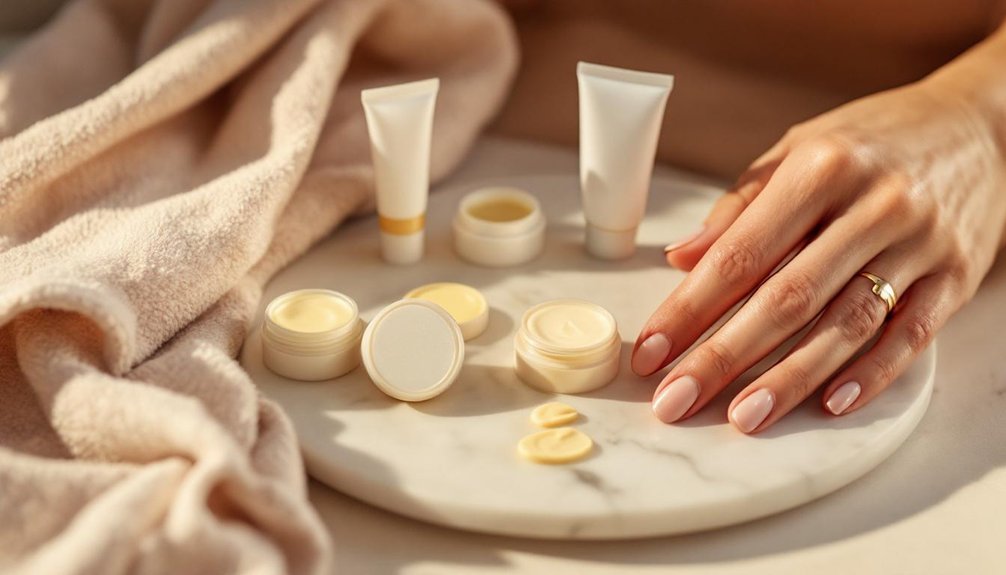
Let’s be real: that uncomfortable rubbing under your bra line isn’t a mystery. It’s friction meeting moisture, and it’s completely fixable.
Anti-chafe sticks are your fastest defense. Products like BodyGlide and Megababe Thigh Rescue go on invisible and slip right into your purse. Midday touch-ups? No problem.
Sensitive skin needs gentler formulas. First Aid Beauty Anti-Chafe skips the fragrance. Plain old Vaseline works too. Both create protective barriers without the burn.
Heavy sweaters need heavy-duty help. Athlete-grade options like Gold Bond Friction Defense contain sweat-resistant polymers that actually stay put during workouts.
Check your ingredient labels for these MVPs:
- Zinc oxide for a calming, protective barrier
- Shea butter to soften irritated skin
- Dimethicone for long-lasting slip
Here’s the application trick nobody tells you. Wait until your antiperspirant dries completely. Then cover the entire inframammary fold and everywhere your bra band touches. Reapply on long days, especially in humidity.
For maximum protection, layer your anti-chafe barrier with an absorbent powder like cornstarch or arrowroot to lock in dryness before moisture pools.
Your underboob skin will thank you.
Zinc Oxide, Petrolatum, or Dimethicone: Which Ingredient Works Best?
Zinc oxide is your multitasker.
It calms angry skin while blocking friction.
It won’t clog pores either, which makes it perfect for breakout-prone folks.
Petrolatum creates the thickest barrier you can get.
Think of it as armor for marathon runners or anyone facing hours of skin-on-skin contact.
It’s not cute, but it works.
Dimethicone feels like nothing on your skin.
It’s lightweight, invisible, and laughs at sweat.
Great for everyday wear when you want protection without the goop.
Here’s the catch: if you’re acne-prone, petrolatum and dimethicone can trap oil in your pores.
Zinc oxide formulas are your safer bet.
Apply anti-chafe balm to clean, dry skin for best results, since powder plus wet skin creates an irritating paste.
Quick comparison:
- Best for healing plus protection: zinc oxide
- Best for extreme friction: petrolatum
- Best for invisible, sweat-resistant wear: dimethicone
How to Match Anti-Chafe Products to Your Activity Level
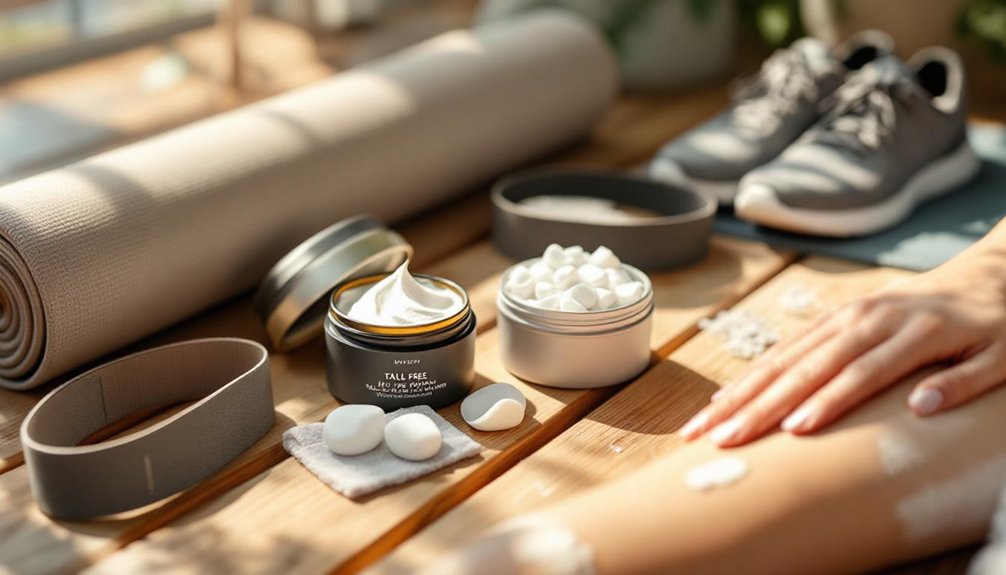
Your sweat rate and activity duration trump ingredient lists every time.
Let’s get real about what actually works.
Sweat-resistant balm sticks like BodyGlide are your ride-or-die for runs and long hikes.
They create a dry friction barrier that survives serious movement.
You’ll only reapply if things start feeling grippy again.
Commuting or light workouts? Talc-free moisture-absorbing powder handles that slower burn.
It wicks dampness all day without you ducking into bathroom stalls for touch-ups.
Here’s a pro move for heavy sweaters.
Layer a clinical-strength antiperspirant (we’re talking 20% aluminum chloride) under your chafe stick.
Less moisture means your barrier actually sticks around.
Game changer.
Dealing with irritated or raw skin? Look for these soothing protectants:
- Zinc oxide creams create a physical barrier while calming inflammation
- Aquaphor Healing Ointment seals in moisture and speeds recovery
- Both work double duty as shield and treatment
For those sneaky friction zones, between toes, under bra bands, or along waistbands, stash travel-size sticks in your bag.
They’re mess-free and nobody needs to know.
Discreet fixes for the win.
Pair your anti-chafe products with moisture-wicking fabrics like polyester and nylon blends that pull sweat from skin to outer surface for faster evaporation.
Application Tips That Make Anti-Chafe Protection Last All Day
Clean, bone-dry skin is your secret weapon here.
Moisture is the enemy of staying power.
If you layer antiperspirant under your breasts, give it a full two minutes to set before adding anything else.
Now apply generously across the entire inframammary fold.
This isn’t the time to be stingy.
That whole crease needs coverage, edge to edge.
For maximum protection, layer strategically:
- Start with a moisture-wicking powder to absorb sweat at the source
- Seal everything with a silicone-based barrier balm on top
- Pick water-resistant and sweat-resistant formulas for gym days or sticky weather
- Always patch-test new products on a small skin area first
Toss a travel-size stick in your bag for touch-ups during long days.
This is maintenance, not defeat.
Even the best formulas need backup sometimes.
Your skin changes throughout the day.
Humidity happens.
Movement happens.
A quick reapply keeps everything comfortable.
Skip powders if you already have irritated or broken skin, since they should only be applied to healthy skin.
What to Do When Anti-Chafe Products Cause Irritation or Stains
Your skin protector turned traitor? It happens more than you’d think.
If you’re dealing with contact dermatitis from your anti-chafe product, stop using it right away. Wash the angry spot with gentle cleanser and lukewarm water.
Here’s your healing hack: grab some zinc oxide barrier cream (yep, the diaper aisle stuff) or plain petroleum jelly to calm things down.
One catch though. Skip the petrolatum if you’re prone to breakouts since it can clog pores.
Patch testing is your new best friend. Dab a tiny amount on your inner arm. Wait 24 to 48 hours before going all in. Boring? Sure. Worth it? Absolutely.
For sensitive skin, stick to fragrance-free formulas. Those pretty scents are often the real troublemakers.
Dealing with greasy stains on your favorite gear?
- Pre-treat with a drop of dish soap (it cuts grease like a champ)
- Toss in an oxygen-based stain booster with your regular wash
- Check before drying, heat sets stains permanently
Time to call the doc if you notice:
- Blisters forming
- Pus or oozing
- Redness that’s spreading beyond the original spot
- Symptoms getting worse instead of better
These could signal a skin infection that needs professional attention. Your future self will thank you for acting fast.
Frequently Asked Questions
What to Put on Under Boob Sweat Rash?
Apply zinc oxide cream or petroleum jelly to soothe irritation, then place absorbent pads or moisture wicking liners between skin folds. If you spot pus or spreading redness, consult a dermatologist immediately for fungal or bacterial culture testing.
How to Stop Chafing Due to Sweat?
Prevent chafing by wearing moisture-wicking fabrics like nylon or polyester, applying anti-chafe balms such as Body Glide or petroleum jelly to friction zones, and choosing seamless athletic wear. Stay hydrated, use talc-free body powder, and change out of sweaty clothes immediately after exercise.
How to Fix Smelly Boob Sweat?
Daily cleansing with antibacterial soap, moisture-wicking bras, and antiperspirant containing aluminum chloride underneath breasts will eliminate odor. Apply antifungal powders like Zeasorb or cornstarch, wear breathable cotton fabrics, and wash bras after each use to prevent bacterial buildup.
What Cream Is Good for Sweat Rash Between Breasts?
Zinc oxide barrier creams and 1% hydrocortisone cream work best for sweat rash between breasts. For fungal infections, use clotrimazole or miconazole antifungal creams. Desitin, Boudreaux’s Butt Paste, and CeraVe offer effective fragrance-free options that won’t irritate sensitive skin.
Conclusion
Armed with anti-chafing balms, moisture-wicking body powders, and barrier healing creams, you’re ready to match products to your reality. Gym day? Go with a balm that won’t budge. Desk shift? Powder keeps things fresh for hours.
Apply to dry, clean skin every single time. Reapply the moment you notice that telltale sticky feeling. Your inframammary fold honestly deserves skincare attention equal to your face routine.
Here’s the real talk:
- Patch test new products on your inner arm first
- Wait 24 hours before going full application
- Watch for redness, bumps, or itching
Chafing isn’t some badge of honor you need to accept. It’s a fixable problem with the right product rotation.